What happened
The UPI MDR, a charge of up to 0.4% on merchant payments above ₹2,000, still has no start date ten days after Diwali. The Payments Council of India (PCI) has made several representations to the Finance Ministry and the National Payments Corporation of India (NPCI) asking for a firm implementation date, The Economic Times reported on November 18, citing people familiar with the matter. Payment firms also told the government that incentive payments for processing UPI and RuPay debit card transactions have not reached them for more than 18 months, while technology, merchant acquisition and compliance costs keep rising.
Pressure is building from the other side as well. On November 16 the All India Consumer Products Distributors Federation (AICPDF), which represents FMCG distributors, wrote to Finance Minister Nirmala Sitharaman asking her to exclude merchant-to-merchant payments from the charge, review the GST that would apply on top of it, and hold off until a formal consultation with traders, banks and payment firms, Business Standard reported. The federation said about 65% of consumer payments to retailers and 40% to 45% of retailer payments to distributors already move over UPI. NPCI told The Hindu on November 11 that there was “no announcement on this at the moment.”
Background and numbers
The framework dates from September. A Finance Ministry notification of September 14, issued under the amended Section 10A of the Payment and Settlement Systems Act, kept RuPay debit cards and UPI payments of up to ₹2,000 free of charges. NPCI’s circular the next day set the rate for larger person-to-merchant payments at 0.4%, capped at ₹300 for payments of ₹75,000 or more, so a ₹5,000 purchase would cost the merchant ₹20. NPCI’s FAQ sets a flat ₹5 for fuel, insurance premiums and utility bills above ₹2,000, 0.02% for mutual funds and broking, and no charge on AutoPay mandates. It puts credit card MDR at 1.5% to 2.5% and debit card MDR at up to 0.9%.
Most UPI traffic stays outside the charge. NPCI’s Supreme Court affidavit of November 3 says about 70% of UPI transactions are person-to-person and about 96% of merchant payments are worth ₹2,000 or less, so the charge would reach about 4% of merchant transactions. Small merchants receiving up to ₹1 lakh a month through UPI are also exempt.
The funding gap is large. The Finance Ministry has put industry operating costs at ₹20,700 crore against a ₹2,000 crore budget allocation for 2026-27, and a parliamentary committee found the allocation covered only 11% of costs. NPCI chief executive Dilip Asbe has estimated annual running costs at about ₹21,000 crore and said the charge could recover ₹13,000 crore to ₹15,000 crore in its first year, or roughly 62% to 71% of that figure. The rollout was first set for October 15. NPCI deferred it on October 13 to a date “immediately post Diwali”, a decision that government sources told The Hindu was taken in the Prime Minister’s Office after appeals from traders.
What it means and what to watch
Each month of delay leaves banks and payment apps paying for QR codes, soundboxes, fraud monitoring and customer support with no revenue from merchant payments. It also holds up NPCI’s own plan for small merchants. Under the UPI Vyapaar Saksham Scheme, announced on November 11, every bank and app will put 5% of its MDR share into a fund that pays acquiring banks ₹300 per QR code and ₹750 per soundbox at eligible new small merchants, with a target of 6 lakh to 1 crore new QR codes a year, Inc42 reported. The three-year scheme starts only when the charge does.
Three things to watch. First, whether NPCI names a date before the year ends, and whether the September framework survives unchanged. Second, whether the government answers the distributors on merchant-to-merchant payments and GST, since wholesale bills are larger and would sit above the ₹2,000 line more often. Third, the Supreme Court petition, Anjan Datta v. Union of India, in which NPCI has argued that it is not “State” under Article 12 and that MDR is a commercial charge shared among UPI participants, not a tax.
Why it matters: UPI is moving from a free service, propped up by a subsidy that covered a small fraction of its costs, to a model in which larger merchants pay. The rate is low next to card fees, so the fight is over who is exempt and when the charge starts. A long delay leaves banks and apps carrying costs they cannot recover, while a start that ignores wholesale trade could push some distributors and retailers back to cash or credit for their larger bills.
Sources: The Economic Times; Business Standard; The Hindu; NPCI (MDR FAQ); LiveLaw; Inc42
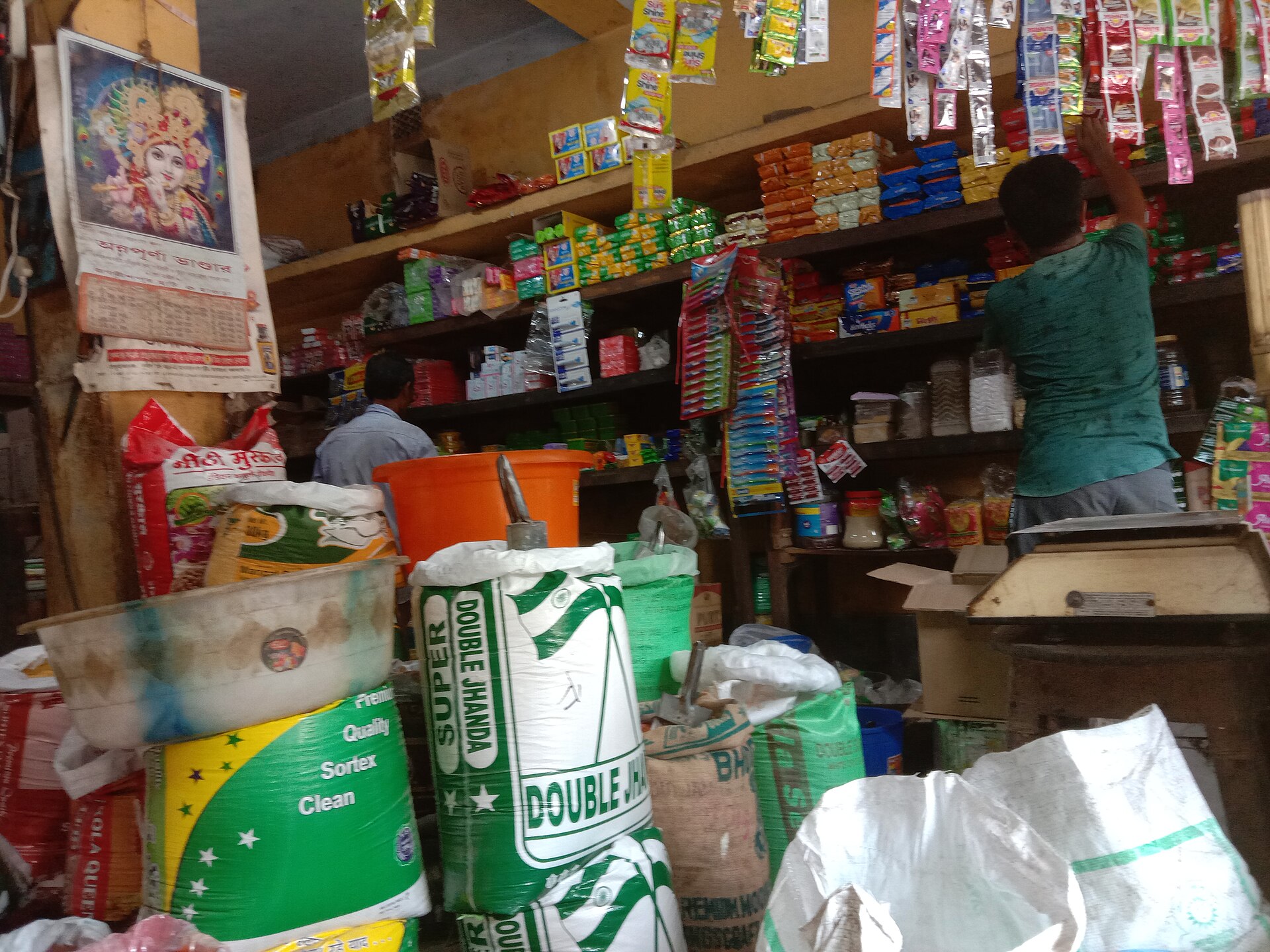
Image: Billjones94, CC BY-SA 4.0, via Wikimedia Commons