
CERT-In has warned that attackers are making unauthorised payments through organisations outside the financial sector, including technology service providers that handle government-linked payments and platforms that process payouts to vendors and business partners. The advisory, issued on Friday, November 20, and rated Critical, did not name the affected organisations or say how much money was lost.
According to CERT-In, attackers changed the business records or approval arrangements that decide who gets paid, then used the normal payment process, so transactions could clear routine checks. The agency said several approvals inside one provider’s system give limited protection if that system is compromised. It asked organisations to check payment instructions against independent sources, verify changes to beneficiaries and approvers separately, restrict accounts that can approve payments, and report incidents within six hours under its April 2022 directions. It also found AI-driven tools shortening the time between picking a target and later stages of an attack. The advisory follows an October 9 warning on fraudulent transfers at financial firms and a November 4 update on AI-driven attacks.
Tighter controls are already slowing money movement. Inc42 reported on November 21 that security upgrades at Yes Bank, including changes to its banking APIs, are delaying payouts at payment service providers, and Razorpay briefly held merchant settlements on November 20 over a partner-bank issue.
Why it matters: Payout platforms sit between corporate finance teams and banks, and many fintechs earn their fees there, so a warning that the approval layer itself can be falsified puts their own controls in scope alongside bank systems. Independent checks on every beneficiary change add friction and cost to fast payouts. Fintechs that run on one sponsor bank’s APIs also face settlement delays each time that bank tightens its checks, which argues for holding more than one banking partner.
Sources: Mint (ANI); The Hindu BusinessLine (Reuters); Inc42
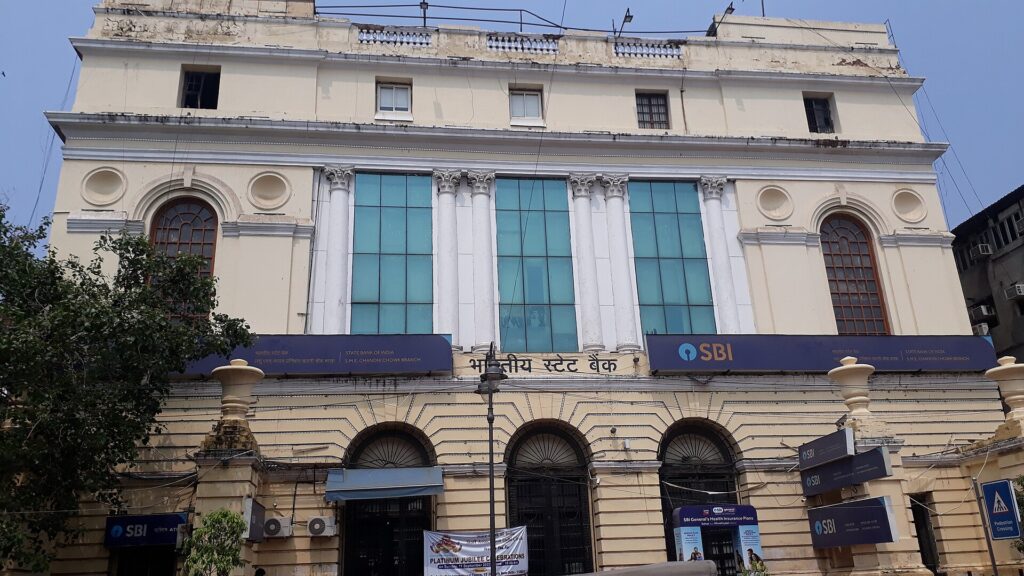
Image: ProjectManhattan, CC BY-SA 3.0, via Wikimedia Commons